

Introduction
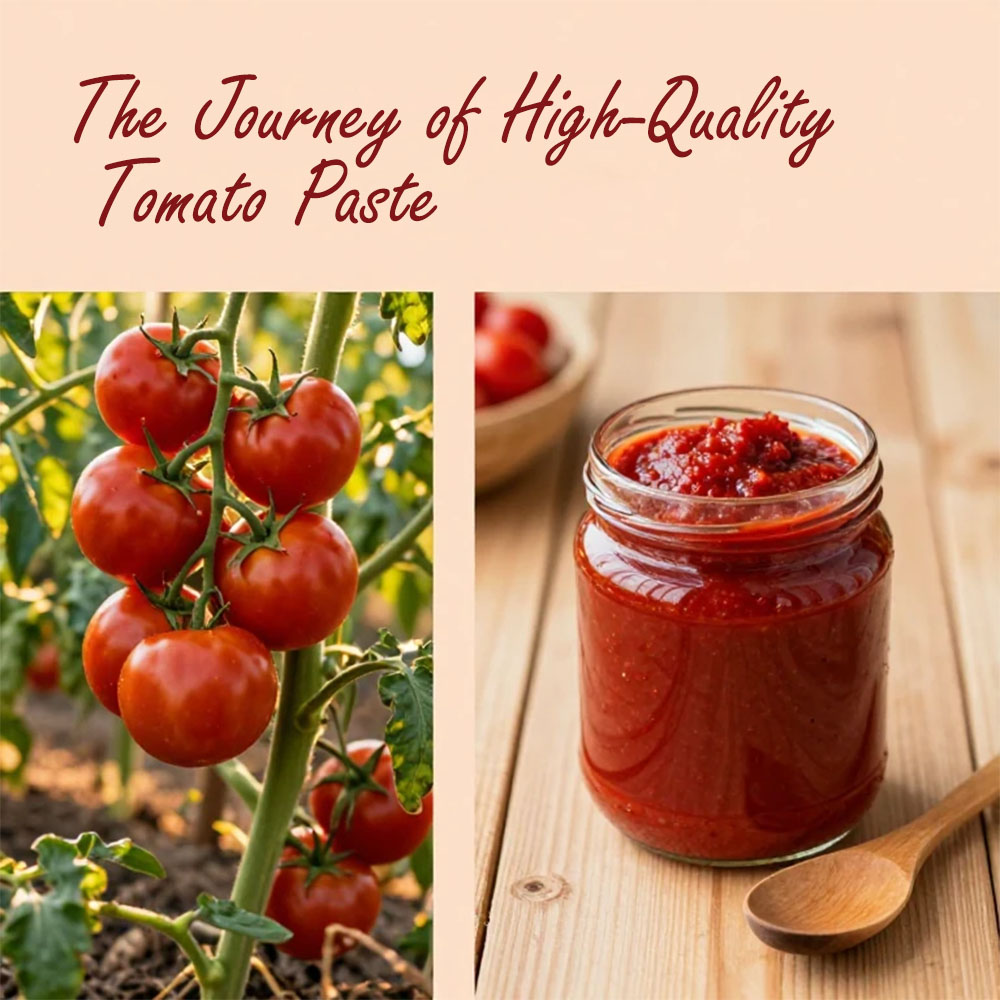
Tomato paste is one of the most widely used condiments worldwide. However, high-quality tomato paste represents a story that goes beyond flavor and color. It’s the result of the efforts of farmers, agricultural engineers, and processing specialists who, with care and precision, produce a product with high nutritional value and an exceptional taste. In this article, we will explore the detailed stages of producing high-quality tomato paste, from the farm to the table.
1. Selecting Appropriate Seeds and Preparing the Soil
The journey of high-quality tomato paste begins with selecting the right seeds. Seeds with genetically superior potential to produce high-quality fruits, containing a high amount of lycopene and other nutrients, are chosen. Subsequently, the farm soil is carefully examined and prepared. This includes improving soil structure, adding organic matter to increase fertility, and ensuring proper drainage.
2. Cultivating and Caring for Plants
Tomato cultivation is typically carried out in greenhouses or open fields. Throughout the growing season, plants are regularly watered, fertilized, and sprayed to protect them from diseases and pests. Experienced farmers utilize sustainable agricultural practices to minimize environmental impact. This includes using organic fertilizers, biological pest control, and preserving biodiversity.
3. Harvesting Fruits at the Right Time
Harvesting fruits at the right time is one of the most crucial factors in producing high-quality tomato paste. Fruits should be harvested at their peak ripeness, when they have a vibrant red color. This is usually done manually to prevent damage to the fruits.
4. Processing and Production of Tomato Paste
After harvesting, the fruits are transported to the processing plant. At this stage, the following steps are performed:
- Washing and Cleaning: The fruits are carefully washed and cleaned to remove any contaminants.
- Chopping and Mixing: The fruits are chopped and mixed with water to create a uniform mixture.
- Boiling and Evaporation: The tomato mixture is boiled in large kettles to evaporate excess water and increase its concentration. This process is carried out with precision and temperature control to prevent nutrient degradation.
- Straining and Refining: The boiled mixture is passed through a strainer to separate seeds and fruit skins.
- Final Boiling and Thickening: The tomato paste is continuously boiled until it reaches the desired consistency.
- Packaging: The tomato paste is packaged in glass jars or metal cans, and labels containing nutritional information and expiration dates are affixed.
5. Quality Control at Every Stage
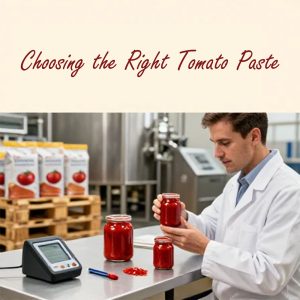
Quality control is one of the most important aspects of producing high-quality tomato paste. At each stage of the production process, samples of the product are taken and various tests are performed to ensure compliance with quality standards. These tests include assessing color, taste, texture, consistency, and acidity levels.
6. Packaging and Distribution
The packaged tomato paste is transported to distribution warehouses and then shipped to retail stores and outlets to be available to consumers.
Conclusion
Producing high-quality tomato paste is a complex and time-consuming process that requires expertise, precision, and attention to detail. From selecting appropriate seeds in the field to the final packaging, each stage of this journey plays an important role in the final quality of the product. By supporting quality farmers and producers, we can enjoy products with high nutritional value and exceptional flavor, ensuring the health and well-being of ourselves and our families